Preloader Close
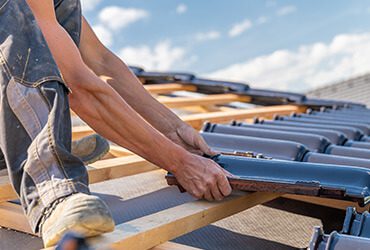
Durable Roofing Solutions importance
Durable roofing solutions are an important consideration for any building owner or homeowner. A well designed and installed roof is essential for protecting the structure of the building and its occupants from the elements. In addition, a durable roof can also help to reduce energy costs, improve the overall value of the property, and save money in the long run by reducing the need for costly repairs or replacements.
There are several factors to consider when selecting a durable roofing solution. One important factor is the material used for the roof. Some materials, such as metal and slate, are known for their durability and can last for decades with proper maintenance. Other materials, such as asphalt shingles and rubber roofing, can also be durable options, depending on the specific product and installation method.
Poorly installed roofs are more likely to experience issues such as leaks, structural damage, and premature deterioration.
In addition to the material used, the design and installation of the roof are also critical to its durability. A poorly designed or installed roof is more likely to experience issues such as leaks, structural damage, or premature deterioration. Working with an experienced and reputable roofing contractor can help to ensure that your roof is designed and installed correctly, maximizing its durability and performance.
At D&E, we are dedicated to providing durable roofing solutions to our customers. We use only the highest quality materials and employ expert engineers to ensure that every roof we install is done so correctly and to the highest standards. We also offer a range of durable materials to choose from, including metal, slate, asphalt shingles, rubber, and more.


In addition to new roof installations, we also offer repair and maintenance services to help extend the life of your roof. Regular inspections and timely repairs can help to identify and address any issues before they become more serious, helping to maximize the performance and longevity of your roof.
Overall, durable roofing solutions are essential for protecting your home or business and ensuring that it is comfortable, safe, and energy efficient. At D&E, we are committed to delivering the best possible roofing solutions to our customers and helping them to get the most value from their investment. So, if you are in need of a new roof or looking to repair or maintain your existing roof, we encourage you to contact us for more information and to schedule a consultation with one of our expert engineers.
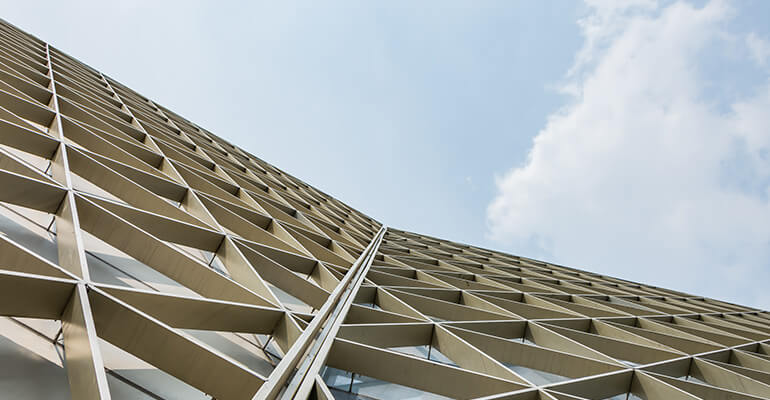
Roofing and Energy efficiency
Energy efficiency is an important consideration when it comes to roofing, as the right roofing materials and design can help to reduce your energy costs and lower your carbon footprint. Here are eight key points to consider when it comes to roofing and energy efficiency.
Roof design: The design of your roof can impact its energy efficiency. Factors to consider include the slope and pitch of the roof, the direction it faces, and the type of materials used. A sloped roof that faces south can be more energy efficient, as it can help to capture solar energy and reduce the amount of heat entering the home.
Adequate ventilation is essential for a healthy and energy-efficient home. Proper ventilation helps to regulate the temperature and moisture levels in your attic, preventing issues such as mold, rot, and ice dams.
There are several types of roofing materials that are known for their energy efficiency, including metal, rubber, and reflective shingles. Metal roofing is a durable and energy-efficient option, as it reflects sunlight and heat, reducing the amount of energy needed to keep your home comfortable. Rubber roofing is also energy efficient, as it has a high thermal resistance and can help to keep your home cool in the summer. Reflective shingles are another energy-efficient option, as they reflect sunlight and heat, reducing the amount of energy needed to cool your home.
Proper insulation is also important for energy efficiency, as it helps to keep your home warm in the winter and cool in the summer. There are several types of insulation available, including fiberglass, cellulose, and spray foam, each with its own unique properties. Be sure to choose an insulation material that is appropriate for your home and to ensure that it is properly installed for optimal performance.
Adequate ventilation is essential for a healthy and energy-efficient home. Proper ventilation helps to regulate the temperature and moisture levels in your attic, preventing issues such as mold, rot, and ice dams. There are several different types of ventilation systems available, including static vents, wind turbines, and ridge vents.
There are several energy-efficient roofing products available on the market, including solar panels and cool roof coatings. Solar panels can help to generate electricity for your home and reduce your energy costs.
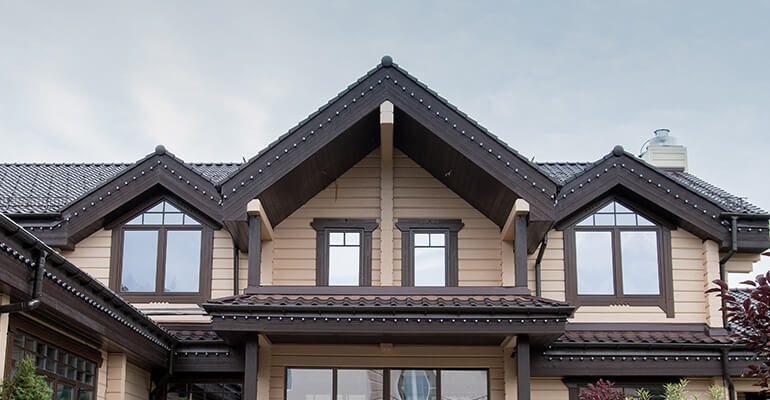
Balancing ventilation
Balancing ventilation is the process of ensuring that your home has the right amount of ventilation to maintain optimal conditions in the attic. Proper ventilation helps to regulate the temperature and moisture levels in your attic, preventing issues such as mold, rot, and ice dams. Here are eight key points to consider when it comes to balancing ventilation in your home.
Balancing ventilation is important for the health and efficiency of your home. Without proper ventilation, the temperature and moisture levels in your attic can become too high or too low, leading to a range of issues.
Types of ventilation: There are several different types of ventilation systems available, including static vents, wind turbines, and ridge vents. Static vents are passive ventilation systems that rely on the natural flow of air to ventilate the attic. Wind turbines are active ventilation systems that rely on the wind to turn a fan and ventilate the attic. Ridge vents are installed along the ridge of a roof and allow for the natural flow of air through the attic.
Proper maintenance is important for the longevity and effectiveness of your ventilation system. This may involve cleaning the vents regularly and checking for any damage or issues.
It’s important to choose the right size and number of ventilation systems for your home. Factors to consider include the size of your attic, the type of ventilation system being used, and the climate you live in.
Balancing the intake and exhaust of your ventilation system is important for optimal attic conditions. Intake vents, such as soffit vents, allow air to enter the attic, while exhaust vents, such as static vents or wind turbines, allow air to escape. Ensuring that the intake and exhaust vents are properly balanced can help to regulate the temperature and moisture levels in your attic.
Location: The location of your ventilation system can also impact its effectiveness. Ventilation systems should be placed in areas that allow for effective airflow, such as along the eaves or gables of the roof.
Ventilation systems are typically made from durable materials such as metal or plastic. Metal vents are known for their longevity and resistance to extreme weather, while plastic vents may be more affordable but may not be as durable.